Connect Master Story Answer: Out of Control Episode 2 Solution Walkthrough
How to solve Connect Master Story Out of Control Episode 2? Get instant solution & answer here.

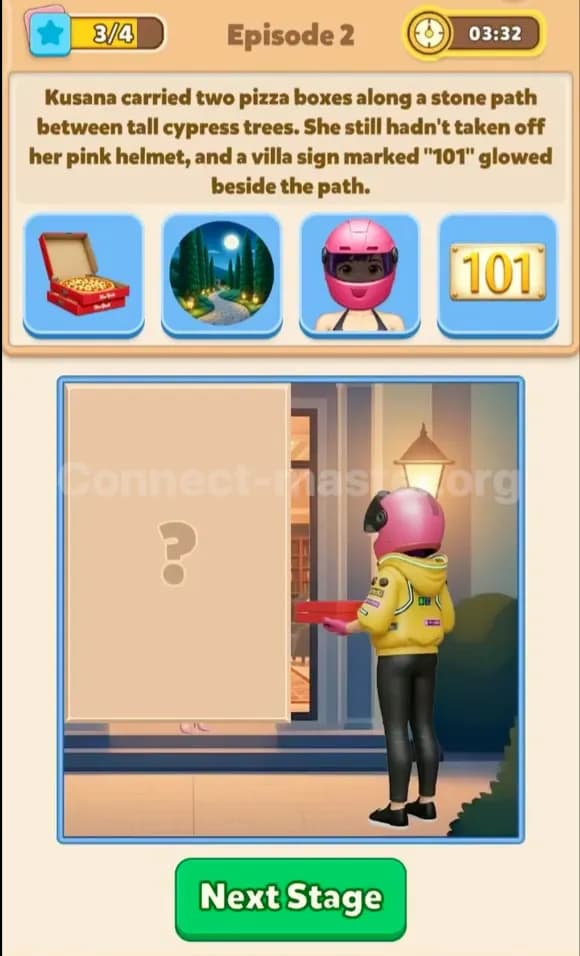
Connect Master Level 2 Pattern Overview
The Theme and Tile Mix
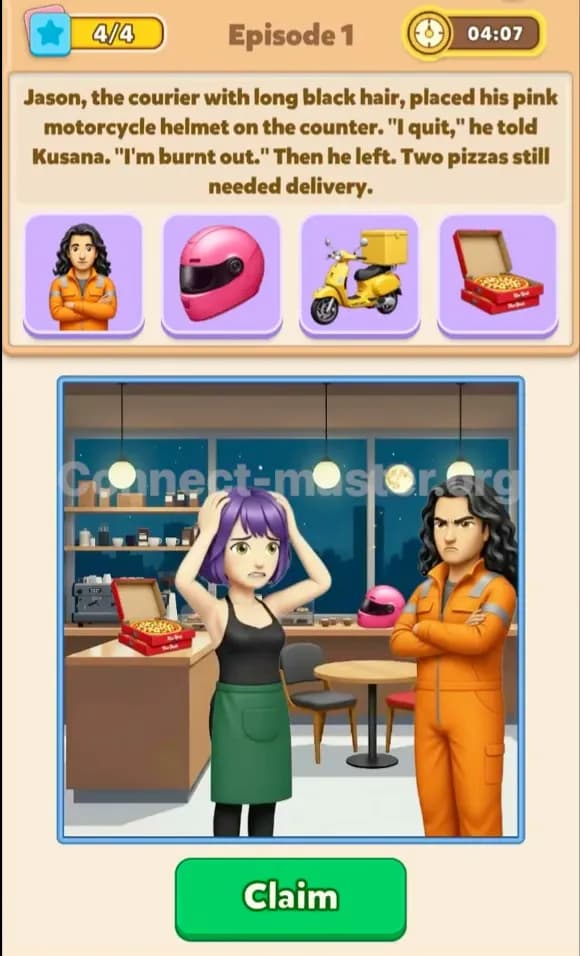
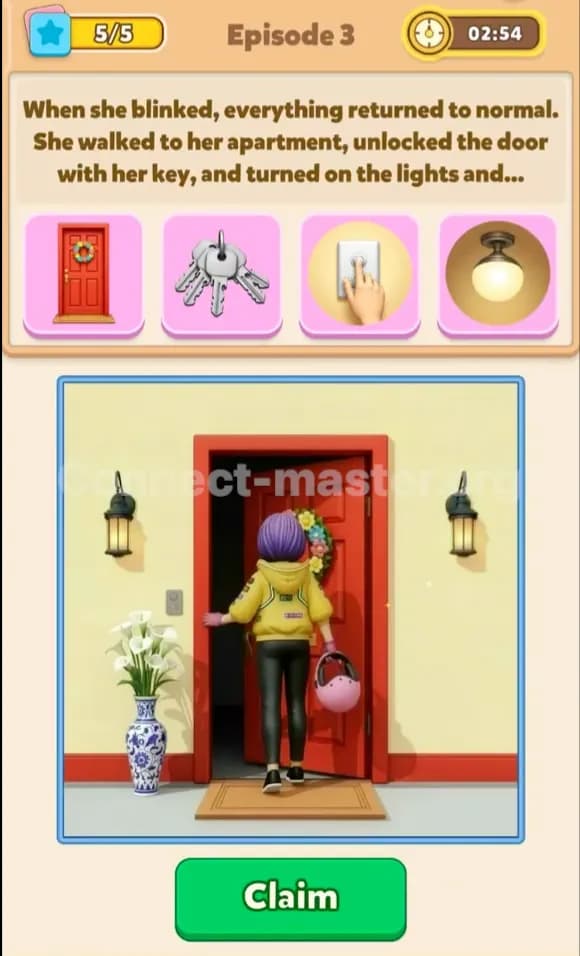
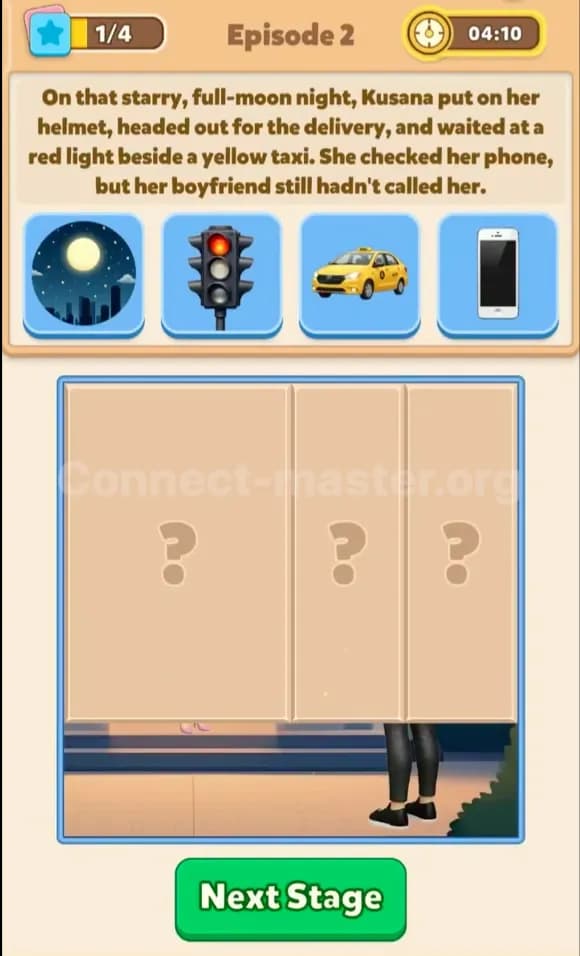
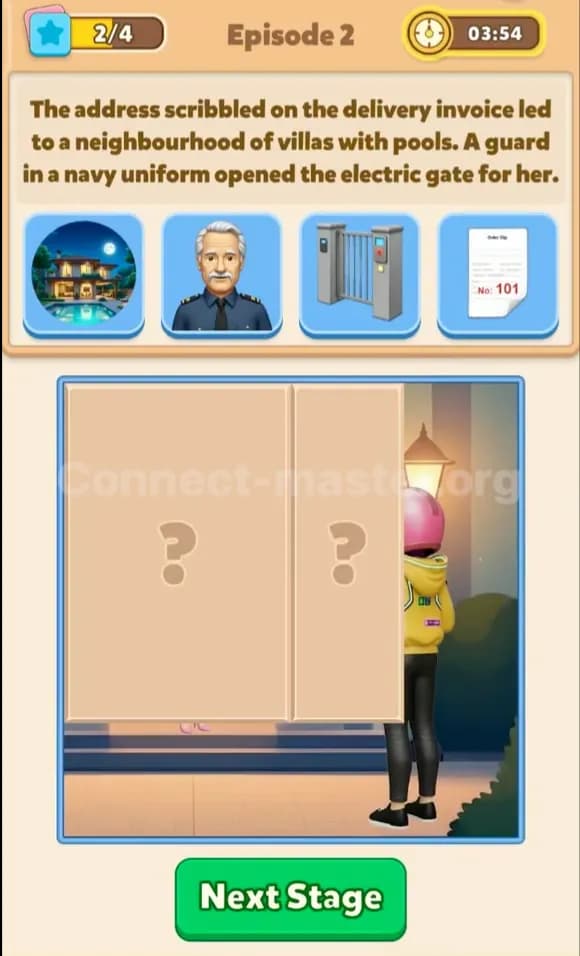
Connect Master Level 2 presents a charming story-based puzzle featuring four character tiles and a narrative scene. The level centers on a simple but satisfying visual logic challenge where you're identifying exactly four groups of matching traits. Don't let the storytelling distract you—this is a puzzle that rewards careful observation of small details like hair color, clothing style, and character positioning. The tiles themselves are relatively sparse compared to higher difficulty levels, which means every single detail matters when you're sorting through the groups.
The Four Sets at a Glance
The four distinct sets in Connect Master Level 2 are: Red-Haired Females, Blonde-Haired Males, Entry Points and Passages, and Active Characters in Motion. Each group of four tiles shares a clear visual or thematic trait that ties them together seamlessly once you spot the pattern. By naming these categories mentally, you'll find it much easier to keep your logic organized and avoid accidentally double-counting a tile.
Why Connect Master Level 2 Feels So Tricky
The Most Deceptive Set
The trickiest group in Connect Master Level 2 is honestly the one tied to Active Characters in Motion—and here's why I nearly missed it. When you're staring at character portraits and scene tiles, your brain naturally wants to group by physical appearance (hair color, outfit) rather than by the action or context they're in. The motion-based set breaks that habit, which is exactly what makes it confusing. Players often try to force these tiles into the "outfit" or "setting" categories instead of recognizing the unifying trait of dynamic movement or engagement.
Subtle Visual Overlaps and How to Spot Differences
Look closely at the two male characters on the board. One has blonde hair and a casual blue jacket—the other may also have light hair but appears in a different role or context. The key is checking not just hair color but also what he's wearing and whether he's depicted as a main character or a supporting figure. Similarly, the red-haired woman tile could almost be mistaken for a different female if you're rushing; zoom in on her exact hair shade, the wave pattern, and her outfit details.
I spent two retries here because I grouped tiles by "character in a blue setting" rather than "character with blonde hair specifically." Once I shifted my focus to the actual visual trait—hair color—everything clicked into place. The scene tiles look tempting as a group, but only certain tiles share the exact same defining trait, so don't assume all scenes belong together.
A Personal "Aha!" Moment
What finally made Connect Master Level 2 click for me was stepping back and asking: "What is the single thing that ties these four together?" For the female group, it's unmistakably red hair. For the male group, it's blonde hair. That methodical approach—moving from vague impressions to hyper-specific traits—turned confusion into clarity in seconds.
Step-by-Step Solution for Connect Master Level 2
Opening: Lock in the Obvious Sets First
Start by identifying the Red-Haired Females set immediately. Red hair is visually distinct and stands out on the board, so you should confidently select the four tiles that share this trait. This removes a quarter of the puzzle in one decision and gives you momentum. Next, tackle the Blonde-Haired Males—again, hair color is one of the easiest visual traits to compare. Once you've locked these two character-based sets, you've cleared half the board and can focus on the remaining two groups without distraction.
Mid-Game: Process of Elimination and Comparative Details
Now you're left with tiles that feel more ambiguous—perhaps a mix of scene elements, action poses, or setting details. This is where comparing fine details becomes essential. Look at clothing textures, accessories, and whether a character is standing passively or actively engaged in the scene. For Connect Master Level 2, one set revolves around Entry Points and Passages (doors, doorways, thresholds), so scan the board for any tile depicting a structure or opening. Another set focuses on Active Characters in Motion, so identify which tiles show people doing something—pressing a doorbell, delivering, waving—rather than simply posing for a portrait.
Use elimination ruthlessly: if a tile doesn't fit the red-hair category, and it doesn't fit the blonde-hair category, it must belong to one of the remaining two groups. This narrows your choices and prevents second-guessing.
End-Game: Nailing the Final Sets
The last two sets in Connect Master Level 2 require you to distinguish between setting/structure tiles and action/motion tiles. A doorway or button tile belongs with other Entry Points and Passages because they all represent ways of entering, exiting, or triggering access. An animated character performing a task belongs with the Active Characters in Motion set because they all share the quality of dynamic engagement. Double-check by asking: "Is this tile about a physical passage, or is it about a character doing something?" That single question will separate your final groups perfectly.
The Logic Behind This Connect Master Level 2 Solution
From Broad Traits to Razor-Sharp Specifics
The winning strategy for Connect Master Level 2 is to start with the most obvious, broad visual traits—like hair color—and then zoom in on smaller, more specific details—like whether a character is in motion or a static pose. This top-down approach ensures you don't waste mental energy on subtle overlaps before you've locked in the easy wins. Once the obvious sets are gone, the remaining tiles almost automatically sort themselves because there's nowhere else for them to go.
Naming Your Sets for Clarity
I can't stress enough how much naming each set mentally helps. Instead of thinking "these four tiles go together," think "these four tiles are Red-Haired Females." That phrase anchors your logic and prevents you from accidentally trying to add a fifth tile or forcing a misfit into the group. For Connect Master Level 2, having clear category names like Entry Points and Passages and Active Characters in Motion transforms vague pattern-matching into structured reasoning. Every time you're tempted to second-guess yourself, just repeat the category name—it'll either confirm the fit or immediately show you why a tile doesn't belong.
With this approach, Connect Master Level 2 shifts from a frustrating guessing game to a satisfying puzzle you can solve with confidence. Good luck!